
We're talking about the Restore NW Grant led by our friends at Zero Foodprint!
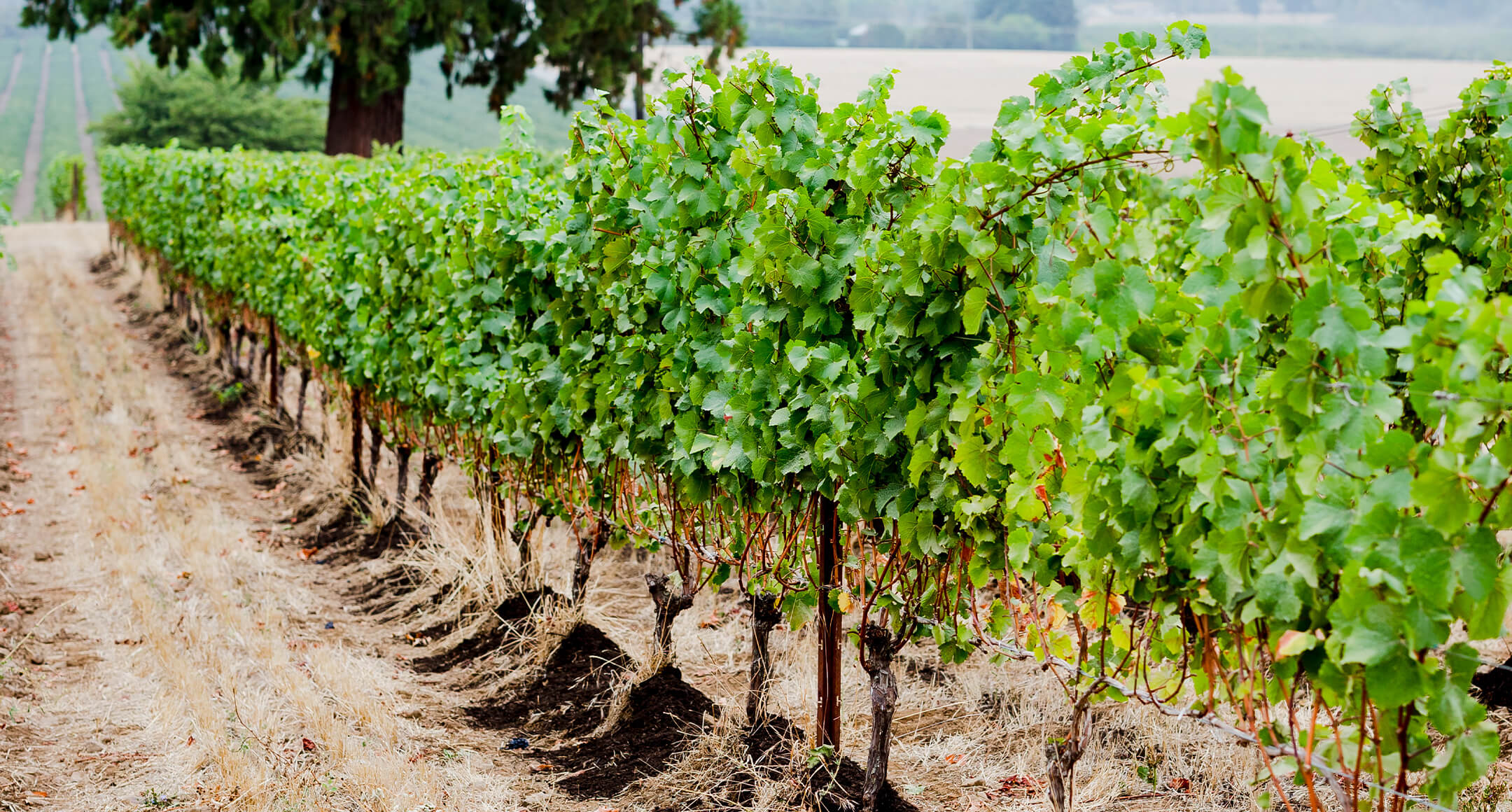
At New Seasons, we're committed to building a more resilient regional food system. That's why we partner with Zero Foodprint—a collective for climate action—to help fund the Restore NW Grant Program that supports farmers and ranchers in Oregon and Washington implementing climate-smart practices that sequester carbon.
Grants of up to $25,000 are awarded based on “cost per ton” of CO₂e sequestered—helping fund projects that make a meaningful impact on farms, soil health, and the climate.
We help fund the Restore NW Grant Program by donating a portion of New Seasons Brand sales to Zero Foodprint—and each April, we join forces with other participating brands in giving 1% for Earth Month.
We actively encourage farmers and ranchers we partner with to apply, though the program is open to all producers across the Pacific Northwest.
Types of Restore NW Grant Projects:
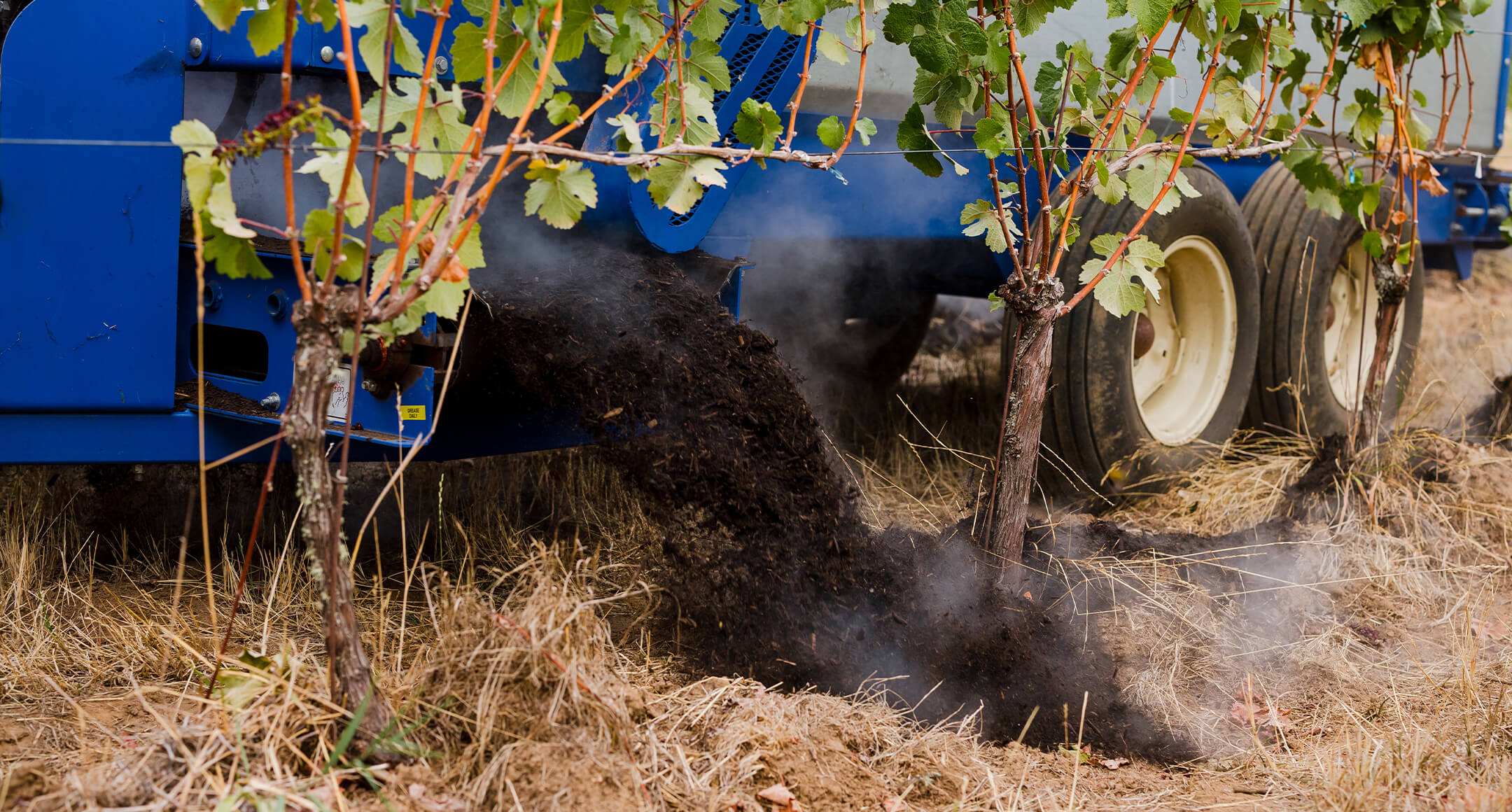
Compost Application and No-Till in the Vineyard
Combining compost application with no-till practices helps build soil structure, improve water retention, and support healthy roots—without disrupting the soil ecosystem. Applied as a surface mulch, compost nourishes microbial life, reduces erosion, improves water infiltration, and supports long-term soil fertility.
Compost Application for Annual Specialty Crops
Compost is widely used to improve soil structure, boost water retention, and add organic nutrients. It can be applied before planting and tilled into the soil, or used as a surface top-dressing to help manage weeds and reduce erosion.
Prescribed Grazing Over Three Ranches
Prescribed grazing involves rotating cattle through pastures to improve forage quality, manage fire risk, and aid habitat recovery. Key practices include rotating livestock frequently to allow for vegetation to rest.
We've been partnering with Zero Foodprint since 2023, and between New Seasons Brand sales and our Earth Month initiatives, we've raised $278,140 (and counting!) for the NW Grant Program.
That funding has helped regenerate 48,383 acres and has sequestered an estimated 6,648 tons of CO₂.
You can find out more about Zero Foodprint and the Restore NW Grant here.